
Why Counselling Matters: Finding Clarity in a Complicated Life

Updated: Mar 17

Life doesn’t come with a manual. Most people spend years trying to figure things out on their own before they ever consider talking to a counsellor. By the time they reach out, they’re often dealing with stress, anxiety, relationship problems, or simply a sense that something in life isn’t working anymore.
Counselling offers a place to pause and look at what’s really going on.
At its core, counselling is a collaborative process where a trained professional helps someone explore their thoughts, emotions, and experiences in a safe and confidential environment. The goal isn’t to “fix” a person. It’s to help them better understand themselves and develop healthier ways of navigating life.
Why People Seek Counselling
People often imagine therapy is only for major crises. In reality, many clients come to counselling for everyday struggles that slowly build over time.
Some of the most common reasons people seek support include:
Anxiety or persistent stress
Depression or emotional exhaustion
Relationship conflicts
Trauma or difficult past experiences
Major life transitions
Feelings of uncertainty about purpose or direction
Many individuals reach a point where they feel stuck in the same patterns or overwhelmed by their emotions. Counselling can help bring clarity to those situations and open new ways of responding to them.
What Happens in a Counselling Session
A counselling session usually looks much simpler than people expect.
It’s not an interrogation. It’s not someone telling you how to live your life.
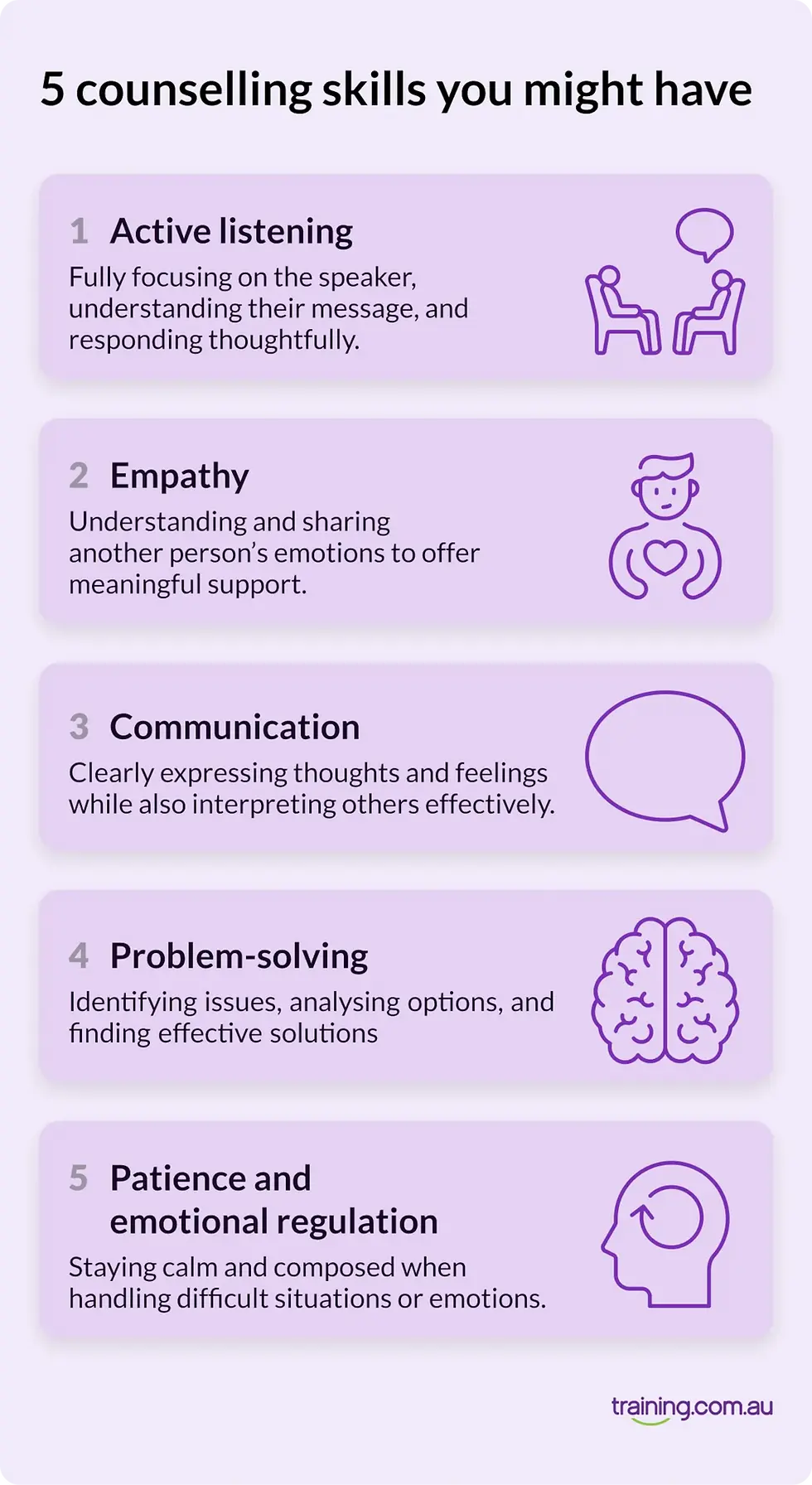
Instead, sessions typically involve conversation and reflection. The counsellor listens carefully, asks thoughtful questions, and helps identify patterns in thoughts, behaviours, and relationships.
Over time, this process helps people:
develop greater self-awareness
understand emotional triggers
improve communication in relationships
build healthier coping strategies
make decisions with more confidence
Counselling works best when it becomes a partnership between therapist and client, built on trust, honesty, and mutual effort.
Healing Is Often About Understanding
One of the most powerful things counselling provides is perspective.
Many people carry unresolved experiences from the past or beliefs about themselves that quietly influence their behaviour. Without realizing it, they repeat the same patterns in relationships, work, or personal decisions.
Counselling creates a space where those patterns can be explored without judgment. Once someone understands where their reactions come from, they gain the ability to respond differently.
That shift in awareness can be surprisingly transformative.

Counselling Is a Step Toward Growth
Seeking counselling isn’t a sign of weakness. It’s usually a sign that someone is ready to look honestly at their life.
Mental health support isn’t just about reducing symptoms like stress or anxiety. It’s also about growth, resilience, and building a more meaningful life.
For many people, therapy becomes the place where they reconnect with themselves, understand their story, and begin moving forward with greater clarity and purpose.
And in a world that often moves far too fast, having a quiet space to think, reflect, and be heard can make a remarkable difference.


